Image Source: Pexels
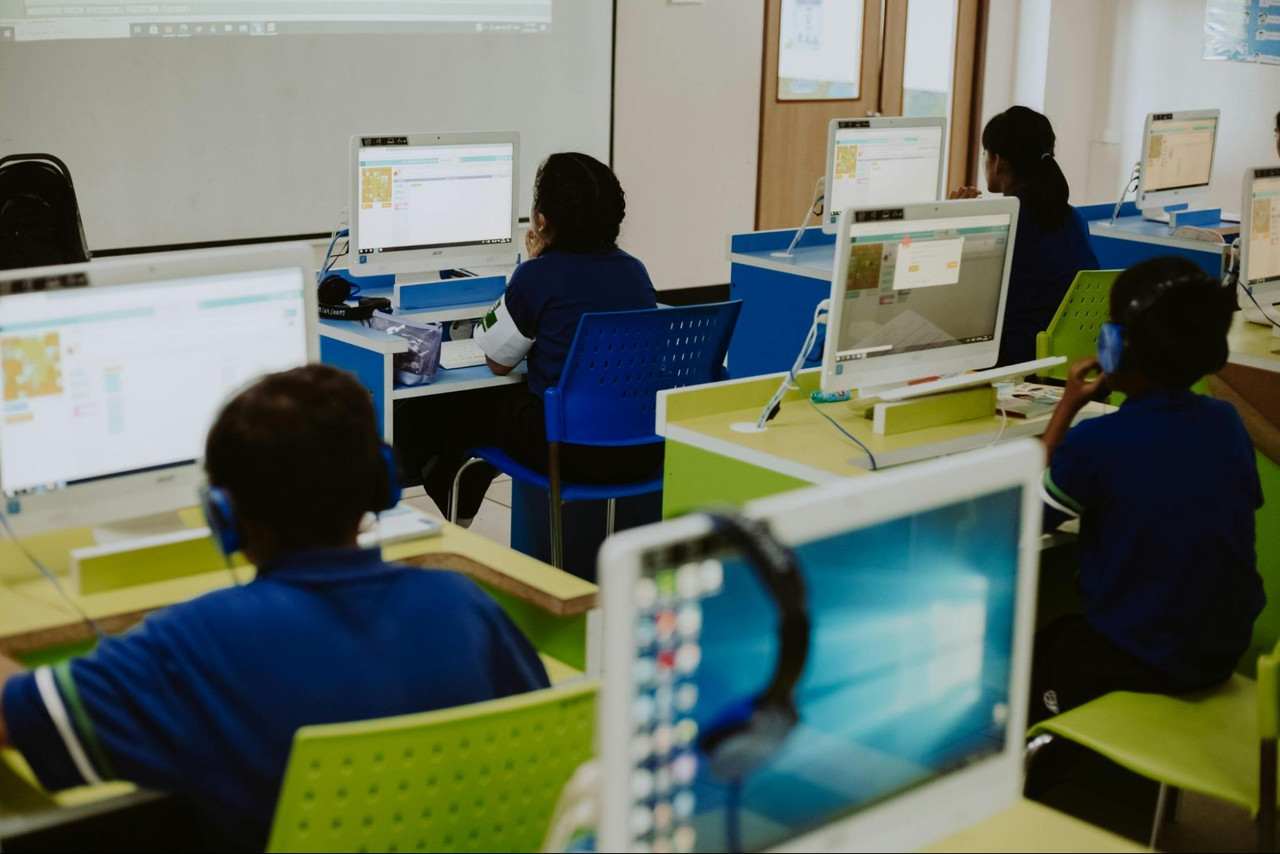
In 2026, you can not call your students digitally literate anymore if they are able to use a search engine, create presentations, navigate social media platforms, or create and edit reels. This is because AI has pushed the boundary of what digital literacy means.
Now, you need to teach students to develop the skills to assess AI-generated information and understand digital ethics. You should show them how to protect personal data and recognize misinformation to reinforce their online safety. You should also teach your students how to communicate responsibly across multiple devices and online platforms because now they interact with others more via online platforms than they do face-to-face.
This shift is more applicable in higher education, where the infusion and overreliance of AI-generated information in academic research and learning can raise concerns about the credibility of actual learning and acquiring skills, and the professional readiness of the students.
For this reason, your students need to move beyond passive technology use and learn to demonstrate critical thinking skills in digital environments as well. This means that they should verify sources and conduct ethical research, review AI-generated outputs, collaborate online, and safeguard their personal data.
In 2026, digital literacy has become less about mastering individual tools and more about developing informed judgment in a digital-first world and students who can adapt to this rapidly changing digital landscape are better prepared in their classrooms and also when they face the world as professionals.
Content Authenticity and Verification Matter More Than Ever
You probably have come across articles, images, videos, or music and might not have been able to identify them as AI-generated. It is scary how convincing generative AI tools can be, and these tools are evolving every day.
To negate this, academic as well as research institutions now prioritize transparency and authenticity of content by relying on both human screening systems and technology.
Your students can verify the source and credibility of information they find online by comparing information from multiple independent sources and paying close attention to details that reinforce validity.
You can also ask them to maintain a journal of their research process and provide specific disclosure when they use AI tools, meaning that students should share whether they have used AI to generate ideas, proofread their work, edit, or complete the entire assignment.
Thankfully, you can now use AI tools to find out if the content is AI-generated. You can encourage your instructors to use a trusted AI detector along with regular assessment methods to look for inconsistencies in writing, as well as counsel students about ethical use of AI instead of discouraging innovation entirely.
To be digitally literate, teach your students to use judgment when they come across content that can manipulate them emotionally. This is linked to how algorithms can influence the content they commonly see when they are online.
Without proper guidance and knowledge, students can feel unnecessary stress and spread panic. When your students start to question the validity of content before they share it with others, they have taken the first step towards digital literacy in 2026.
AI Literacy Is Becoming a Core Academic Skill
Artificial intelligence is becoming a major part of education, so your students need basic AI knowledge. You could start by making them understand that AI has limitations and can make mistakes. Students should recognize that AI can show bias and give answers that are not always correct.
Although many students take the help of AI to save time, whether by generating ideas or helping with assignments, they should think independently and check facts carefully. Universities expect students to develop their skills and make education meaningful for them. Therefore, students should refine AI responses instead of trusting them blindly.
Students also need to understand how AI systems are built using data and can affect important decisions in fields like healthcare, law, business, and journalism. Students should be taught how data presented by AI systems is biased and can generate unfair results.
As discussed under the previous point, students need to be encouraged to be honest and transparent with their use of AI in their courses and research work. Many universities have created rules about how students should use AI in academic work and penalties if academic integrity is in question.
What teachers need to know about supporting learning with technology is that good students use AI to improve research, compare ideas, organize information, and strengthen critical thinking while still doing their own analysis.
Finally, AI literacy can help students in their professional journey as well. Graduates who can work with AI tools responsibly while making ethical decisions get priority in the job market. Thus, students who understand both the strengths and risks of AI will be better prepared for modern workplaces.
Cybersecurity Awareness Is Now a Daily Responsibility

Many students store sensitive information online, including academic records and financial details. However, cybersecurity has become a basic life skill now. With the increase in smart cyberattacks, even small mistakes can cause serious problems to research files and personal data.
Furthermore, students should not blindly trust emails or messages since AI can dress fake messages to look real and trustworthy.
Whether it is an email from the university or bank, students should carefully check links, writing styles, sender names, and attachments before clicking on anything. Attention to detail matters here.
Students should be discouraged from using one password for multiple accounts because if one account gets hacked, others may also get compromised.
You can advise students to use password managers and multi-factor authentication. They can also rely on secure cloud storage in universities and workplaces.
At the same time, they need to be warned about the risks associated with public Wi-Fi networks and giving apps in their devices permissions to access peripherals and data. At present, digital safety has become paramount.
It is also important for students to know that universities are taking cybersecurity education more seriously. Research shows that industries need more people with digital safety skills. Because of this, cybersecurity lessons are now being included in broader digital literacy programs.
Weak cybersecurity habits can cause long-term damage to a student. This is because a hacked account can affect mental health, studies, careers, and future opportunities. Thus, cybersecurity knowledge is important for every student and not just IT professionals.
Media Literacy and Information Evaluation Are Essential in the AI Era
AI-generated content has changed how people find information online. In the past, fake information was easier to spot. This is because websites looked suspicious, or facts did not match. However, now students should take into account that AI can create realistic text, audio, videos, and websites that look trustworthy.
According to a recent World Economic Forum report, nearly half of younger participants in one international assessment struggled to identify critical weaknesses in AI systems. Thus, schools have started to integrate media literacy as a part of their curriculum.
Students are taught to question where information comes from and why it was created, while they are explained why they see a certain type of content in their feeds more often than others. Essentially, students are required to be educated on algorithms and content engagement from an early age.
Students should be careful before sharing information online. They should first check if the content is accurate and reliable. It is very easy to get misled by social media platforms as they reward emotional content. Therefore, people often post dramatic content that exaggerates information in order to make more money by reaching a larger audience, while algorithms do the rest.
Another product of AI that is becoming increasingly popular among students is deepfakes. This is concerning as AI can imitate politicians. It can also copy journalists or educators. Because of this, students should compare multiple sources before believing visual content.
Counsel your students to rely on official broadcasting channels since AI systems can present false information in a confident manner. If your students are young, ask parents or guardians to guide them at home.
Data Privacy and Ethical Technology Use Are Becoming Professional Expectations
Every online activity of a student leaves digital footprints that reveal information about them. When using digital media, students should realize that their search histories can be tracked and location check-ins can be stored. This is also relevant for cloud documents.
Moreover, many companies collect and use personal data every day. This includes educational apps that gather information and social media platforms that track user behavior. Students should not accept privacy policies quickly without reading how their data may be used or shared. This is due to AI systems creating new concerns about privacy and surveillance.
Universities now expect students to think carefully about consent and ethical technology use. Graduates who can handle digital information responsibly, especially during research or teamwork, are often valued by employers.
Ethical technology use includes honesty and respect for intellectual property. If students use copyrighted work without permission, they can get into trouble. Furthermore, sharing misleading or fake digital content can also damage a student’s reputation and academic standing.
Besides technical skills, students should also apply ethical reasoning and critical thinking skills when using AI tools and other digital systems. This is further supported by a study conducted by the World Economic Forum in 2025. This idea is influencing universities around the world.
To sum it up, students should understand that online behavior can affect future careers. It is no longer only about how students behave in the real world. Social media posts and comments matter too. Therefore, if students are responsible in their digital participation, it will enhance their professional credibility and trust.
Adaptability and Lifelong Learning Define Modern Digital Literacy
The technology landscape is always changing quickly, and tools and platforms that feel modern to students today may become outdated in just a few years. This spans over the skills of a student as well, since AI systems, communication platforms, cybersecurity threats, and workplace technologies are also evolving.
Because of this, a student can no longer know how to use software and claim to be digitally literate. Successful students will adapt quickly and be open to learning new systems. Additionally, they will also know how to judge whether new digital tools are useful or trustworthy.
Adaptability affects many parts of a student’s daily life. Students need to communicate clearly in online spaces as well as manage large amounts of information without feeling overwhelmed. With the popularity of remote learning platforms and AI-assisted research tools, how knowledge is shared is going through a massive overhaul.
The overlap of digital literacy can be seen across many subjects. Humanities students need some understanding of technology, while STEM students should also understand ethical and social issues connected to digital systems.
From communication to problem-solving, lifelong learning has now become essential. Analytical thinking is also becoming more valuable. Thus, students need to prioritize skills that remain useful over time and acknowledge that digital literacy is an ongoing journey. Instead of mastering only one platform, they should stay curious and willing to improve.
Final Thoughts
Students in 2026 need more than basic computer skills. They should understand how to think critically online and use AI responsibly.
Furthermore, the importance of protecting personal data and adapting to changing technology has become essential. Thus, digital literacy in 2026 has become a multidimensional skill set that combines technical awareness, ethical reasoning, critical analysis, cybersecurity knowledge, and adaptability.
The rise of AI tools is making media literacy more important than ever. It has become inevitable for students to learn how to spot misinformation and understand how algorithms influence content.
Digitally literate students will be aware of privacy risks and remain accountable online. For example, they will verify online sources carefully, and avoid sharing sensitive information carelessly.
This education is now essential in education and work. Students who develop these skills will succeed academically, prepare for future careers, and make smarter decisions online.