Modern manufacturing relies entirely on invisible building blocks. Huge steel beams and thick glass panels usually grab all the attention during a construction project. However, those massive materials cannot function alone. Hidden chemicals and specialized powders do the actual heavy lifting. Advanced engineering requires highly refined compounds to keep complex machines running. Examining these core materials reveals exactly how global factories produce durable electronics and strong infrastructure.
The Shift Toward Advanced Magnets
Electronics dominate the current consumer market. Devices keep getting smaller while demanding much more power. Traditional iron magnets simply take up way too much physical space inside these tiny machines. Standard iron also loses its magnetic strength very quickly over time. Engineers needed a far better solution to build the tiny electric motors used in modern technology.
Advanced chemistry provided the perfect answer. Modern factories step away from solid metal blocks and use specialized chemical compounds instead. Blending specific raw elements creates a material that holds a permanent, incredibly strong magnetic charge. This breakthrough completely changed how the automotive and technology sectors design new products.
Powering the Modern Machine
Creating these permanent magnets requires exact precision. Technicians press highly refined Barium Ferrite into custom shapes under massive pressure. They bake the molded shapes inside extreme-heat ovens. This specific chemical compound holds a massive magnetic field naturally. It resists high temperatures and refuses to lose power over time.
These custom magnets run the small, hidden motors inside luxury vehicles. Electric windows, windshield wipers, and automated seat adjusters rely entirely on this magnetic strength. Power tools and cordless kitchen appliances also depend on these exact chemical powders. Building a lighter, faster motor requires this specific chemical foundation.
Protecting Global Digital Data
This same magnetic material protects the global digital economy. Enterprise tech companies coat massive server tapes with this fine powder. The stable magnetic field locks digital information in place perfectly. Cloud storage facilities rely on this technology to keep banking records and hospital files completely secure.
Hard drives spin constantly and eventually break down. Magnetic tape coated in high-quality ferrite powder lasts for decades without degrading. The material acts as the ultimate long-term storage solution for the entire internet. Securing human history requires stable chemistry.
The World of Industrial Resins
Beyond magnets, the industrial world needs heavy materials to stick together permanently. Building a commercial airplane or a cargo ship requires heavy-duty paints and incredibly strong adhesives. Basic household glue fails instantly under heavy industrial stress. Engineers use specialized petroleum resins to create these heavy-duty products.
Adding these specific chemical resins makes industrial paint completely waterproof. The chemical bond stops rust from destroying steel bridges and metal pipelines. The resin also adds a bright, glossy finish that repels harsh sunlight. Without this chemical additive, outdoor paint would flake off completely after just one harsh winter.
Reinforcing Rubber and Transportation
The global tire industry also depends heavily on these exact chemical resins. Mixing the sticky resin into raw rubber makes the material much easier to shape inside the factory. It softens the hard rubber just enough to mold the deep tire treads.
Once the tire cures and hardens, the chemical base adds massive durability. Commercial trucks can drive thousands of miles safely carrying heavy loads because the chemical structure holds the rubber together. The resin prevents the rubber from cracking under extreme highway friction and intense summer heat.
The Backbone of Global Supply Chains
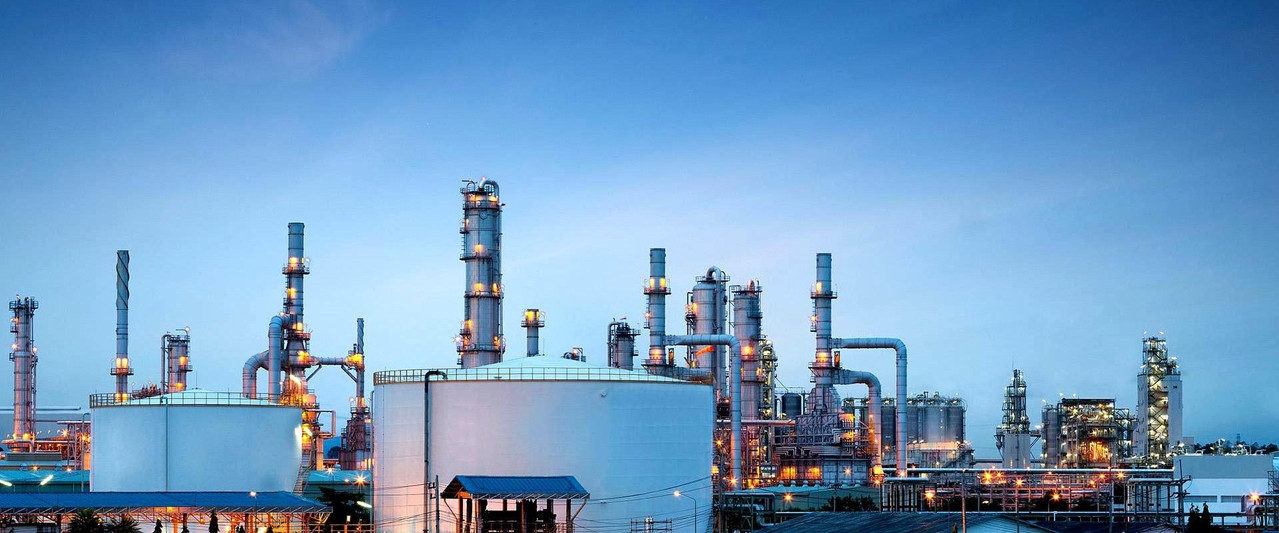
Supplying these highly specialized materials requires massive industrial facilities. Small laboratories simply cannot produce enough volume to feed global factories. A major international manufacturer like Kerton Chemicals acts as the absolute backbone for countless other businesses around the world.
These massive facilities process raw elements into perfectly pure powders and liquid resins every single day. A car factory in Germany or a tech company in Japan relies entirely on these massive chemical plants. Without a steady supply of high-grade raw materials, global assembly lines would grind to a complete halt within days.
The Importance of Quality Control
Factory assembly lines cannot handle random variations. Absolute consistency matters more than anything else. If a batch of chemical powder arrives at a factory with tiny impurities, the final consumer product fails completely. A weak magnet ruins an expensive car window motor. Bad paint peels right off a commercial building.
Sourcing materials from a highly controlled, massive chemical plant guarantees absolute perfection. Chemical engineers run constant quality control tests on every single batch before shipping. Securing perfectly pure, highly refined chemicals prevents expensive factory shutdowns and stops massive product recalls.
Safety and Environmental Standards
Heavy chemical production requires intense safety measures. Older manufacturing methods created dangerous waste products and terrible air pollution. Modern chemical engineering solves these environmental problems directly. Advanced cold polymerization techniques keep the factory air perfectly clean.
Strict safety protocols protect the workers handling the raw materials on the factory floor. Advanced ventilation systems capture any dust or fumes immediately. Producing clean, stable chemicals keeps the global supply chain moving efficiently without harming the surrounding environment.
Pushing Engineering Forward
The demand for smaller electronics and stronger building materials continues to skyrocket every single year. Mechanical engineers constantly push their designs to the absolute physical limit. Meeting these ambitious future goals demands better, stronger chemical foundations.
Developing stickier resins and stronger magnetic powders unlocks completely new technological possibilities. Building a lighter electric vehicle, a faster computer server, or a taller skyscraper starts at the microscopic level. The entire global manufacturing sector rests firmly on the quality of these advanced industrial chemicals.